What Black History Month Means to American History
What Black History Month Means to American History
Black History Month means more than a calendar observance. If you're asking what does black history mean, the answer begins with legacy, truth, culture, and the people whose lives shaped the United States. It is a reminder that Black history is American history, and that the story of the country cannot be told honestly without the stories of Black people, African Americans, and Black Americans. For more Black history coverage, visit The Black Affect home page or browse the blog.
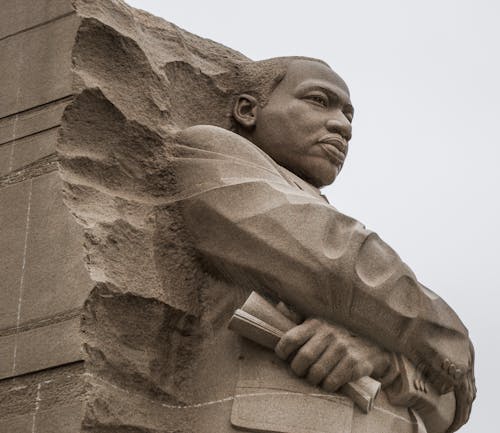
Black History Month is not just about looking back. It is about understanding how the history of Black Americans, the Black community, and the broader African diaspora helped build American life, American culture, and the country itself. It is also about honoring the accomplishments of Black people in every area of endeavor throughout our history.
What Does Black History Mean?
What does black history mean in practical terms? It means recognition, remembrance, and responsibility.
What does black history mean in a classroom? It means learning the fuller story of African Americans, the stories of enslaved people, the strength of Black communities, and the achievements of Black educators, Black women, Black figures, and everyday Black individuals whose lives changed the country.
The meaning of this observance is not contained in one speech, one classroom, or one museum exhibit. Black history cannot be contained because it lives in family memory, music, faith, resistance, work, art, organizing, and survival.
This is part of Black history, part of the observance, and part of the larger history and culture of the United States. What does black history mean here? It means a living record of people, struggle, and progress.
How Black History Month Began
To understand the significance of the observance, it helps to know where it began.
The creation of Negro History Week traces back to historian Carter G. Woodson and the Association for the Study of Negro Life and History. Woodson believed that Black history deserved permanent attention, not occasional mention. He launched the first Negro History Week in 1926, during the second week of February, a choice that connected the observance to the birthdays of Frederick Douglass and Abraham Lincoln.
That first Negro History Week was a direct response to the way Black life and history had been ignored or distorted in mainstream education. Woodson understood that without Black history, history books would remain incomplete. He knew that the study of Negro life and the study of Negro life and history mattered not just to Black people, but to the nation as a whole.
By 1976, Negro History Week became the modern observance, and President Gerald Ford officially recognized it. He called on the public to honor the too-often neglected accomplishments of Black Americans in every area of endeavor throughout our history. That was a turning point, but it was also just one step in a much longer process.
For more on the origins, see the National Park Service and the Carter G. Woodson biography at NPS.
Black History Is American History
The phrase Black history is American history is not a slogan; it is a fact.
Black people have always been part of the United States, and Black Americans have played a significant role in shaping the country’s politics, labor, education, religion, sports, science, and culture. The accomplishments of Black people are not separate from the nation’s development. They are central to it.
Black history includes the history of African Americans in slavery, emancipation, Reconstruction, the Great Migration, the civil rights movement, and modern struggles for equality. It also includes the contributions of African Americans in every generation, from freedom fighters and authors to teachers, soldiers, and artists.
When we talk about American history, we are also talking about Black stories, Black heritage, and the achievements of people in the United States whose labor and vision made the country what it is.
That is why this observance is not a side note in American history month. It is a corrective to the incomplete versions of the past that left Black Americans out. What does black history mean at this level? It means the nation has to tell the truth about itself.
Why We Celebrate Black History
We celebrate Black history because Black history is rich with courage, innovation, and truth.
To celebrate Black history is to honor the ancestors who endured slavery, discrimination, segregation, and exclusion while building families, communities, and futures. It is to celebrate the achievements and history of African Americans who made progress despite barriers meant to stop them.
We celebrate the observance because Black culture, blackness, and Black heritage deserve to be recognized openly and without apology. Black culture is not limited to one region, one decade, or one expression. It includes music, language, food, style, faith, organizing, and creative expression across African American culture and the African diaspora.
Blackness is often misunderstood by outsiders, but inside Black communities it carries memory, strength, beauty, and self-definition. Blackness is also tied to life and history — to what people have survived and what they have built.
We celebrate the observance because Black peoples’ stories matter. We celebrate the observance because Black Americans in every area of life have shaped the nation in visible and invisible ways. We celebrate the observance because black children deserve to see themselves reflected in history books, classrooms, museums, and public memory.
And we celebrate the observance because it is important to remember that Black history means more than suffering. It means contribution, excellence, resistance, joy, leadership, and possibility. What does black history mean in daily life? It means learning how those values shaped families and communities.
To read more reflections and quotes, see Inspirational Quotes from African Americans.
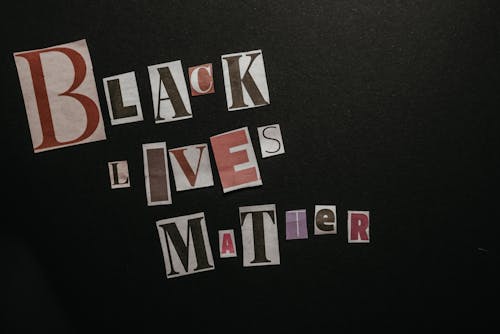
Black History Month in 2024 and Beyond
In 2024, this observance continues to serve as both reflection and action. It is a month in February, but its lessons should reach beyond February.
Every February gives us a chance to pause and consider what has been remembered, what has been neglected, and what still needs to be taught. The significance of this observance is not just historical — it is civic, educational, and cultural.
Observing the month should lead to a deeper appreciation of African American history and culture, American culture, and the wider history of Black Americans. It should also encourage us to ask what is still missing from the way history is taught.
Too often, people are taught only the most familiar names and dates. But Black history includes countless black figures, black educators, black women, black leaders, black artists, black workers, and black individuals whose accomplishments shaped the country in every area of endeavor throughout our history.
How to Celebrate Black History Month
If you want to celebrate the month in a meaningful way, start by learning.
Read history books written by Black scholars and historians. Visit the National Museum of African American History and Culture or another museum of African American history if you can. Support local Black cultural institutions. Teach children about Black stories beyond the usual few names. Share the work of Black authors, artists, and educators. Talk about the contributions of African Americans in your community and beyond.
You can also celebrate Black history by looking at the history of Black Americans in your own city or state. Local history matters. Community history matters. Every neighborhood has people who contributed to schools, churches, labor movements, and civic life in ways that deserve to be remembered.
This is also a good time to learn about Black history in the context of world history. Black history is not isolated from global movements, the African diaspora, or the struggles and triumphs of people of African descent across the world. It is connected to world history, American life, and the broader story of human freedom.
To celebrate the month is also to celebrate the achievements and history of African Americans with honesty. That means honoring triumphs without erasing pain. It means recognizing that Black history includes joy and struggle, progress and resistance, memory and renewal.
For more historical context, see the Smithsonian National Museum of African American History and Culture.
The Legacy of Woodson and Negro History Week
The creation of Negro History Week changed the way many Americans thought about history.
Woodson believed that the story of Black people should be taught year-round, not just during one week or one month. That idea still matters now. His work through the Association for the Study of Negro Life and History helped create space for a fuller understanding of the history of African Americans and the accomplishments of Black Americans.
The move from Negro History Week in 1926 to the modern observance in 1976 showed that the nation was slowly beginning to recognize what Black communities had long known: Black history is essential. It is part of the observance, but it is also part of everyday American history.
That is why the month would eventually grow into a broader recognition of the too-often neglected accomplishments of Black Americans, the contributions of Black Americans, and the many ways Black history shaped the nation.
For the federal record of that recognition, see the National Archives article on Gerald Ford’s recognition of Black History Month.
Why Black History Month Still Matters
The observance means something different to every person, but at its core, it is about truth.
It means remembering enslaved people and their descendants. It means honoring Black Americans as part of the nation’s past, present, and future. It means understanding that Black history is not separate from the history of African Americans, but deeply tied to it. It means making room for black stories, black heritage, and the voices of black people who were left out of traditional narratives.
It means recognizing that black history cannot be reduced to one month, even if every February gives us a valuable time to focus. What does black history mean when we look at the full picture? It means a story of resilience, memory, and nation-shaping contributions.
That is why the season matters.
It is the opportunity to honor the too-often neglected accomplishments of Black Americans, the black community, and the many generations who made progress possible.
Conclusion
What the observance means to American history is that the nation’s story is incomplete without Black people, Black Americans, and the history of African Americans. It means that Black history is American history. It means that every February should be used not only to celebrate the month, but also to learn, reflect, and act. When we ask what does black history mean, we are asking a question about the nation’s memory, identity, and future.
Black history is about struggle, yes — but it is also about creativity, perseverance, leadership, and love. It is about the history and culture that shaped this country and continue to shape it now. And it is about making sure that future generations understand that Black history matters every day, not just during the observance.