African Americans in World War 2. African American history that shaped the war
African Americans in World War 2. African American history that shaped the war
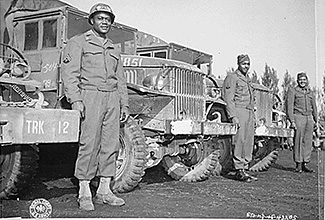
African Americans in World War 2 were central to the war effort in ways that were often ignored at the time and have sometimes been overlooked since. Black soldiers, African American soldiers, black men, African American women, and black veterans all helped carry the nation through WWII while facing segregation, discrimination, and unequal treatment in the American military and at home. Their story is not only part of Black history — it is part of American history, the American experience, and the larger fight for civil rights.
For readers interested in the longer arc of Black military service, see also African Americans in the Revolutionary War.
African Americans in WWII
African Americans in World War II entered a nation that asked them to defend freedom while continuing to deny full freedom to Black Americans. The contradiction shaped every part of the African American experience during the second world war. The government promoted unity, sacrifice, and democracy, but much of daily life still reflected Jim Crow, racial violence, and limited opportunity.
More than 2.5 million African American men registered for the draft, and many more African Americans served in support of the war effort at home. Black Americans worked in factories, shipyards, offices, farms, and transportation jobs while others entered the armed forces. Their participation in the war showed that African Americans were not on the sidelines of the conflict. They were deeply involved in winning the war and in pushing the country toward change.

African American newspapers, Black leaders, and civil rights organizations made that point clearly. They argued that if African Americans served in the military and contributed to the war effort, then the nation had a responsibility to treat them with dignity and fairness. That argument became one of the most important themes in Black history during the 1940s.
African American soldiers and the segregated military
The American military during World War II remained segregated. African American soldiers were often separated from white soldiers, assigned to different units, and restricted in the roles they could hold. The Army, Navy, Marine Corps, and other branches all reflected the racial hierarchy of the era.
African American soldiers were often placed in labor, logistics, maintenance, or support work instead of combat. Many Black servicemen were trained in ways that limited advancement, and some white officers openly doubted their ability. In many cases, the military worked hard to segregate African American troops rather than integrate them.
That system did not stop Black service members from proving themselves. African American soldiers served with discipline and persistence even when they were not treated equally. The term “black soldiers” covered a wide range of experiences, from supply work to combat service, but the larger pattern remained the same: African American soldiers had to fight for respect as well as survival.
The American military also shaped the experience of white soldiers. Black and white soldiers often served in the same broad war effort, but under very different conditions. That reality exposed the contradictions inside the American promise of democracy.
Black Americans and the war effort
Black Americans contributed to the war effort in every region of the country. Some worked in defense plants. Others filled jobs in transportation, construction, agriculture, and government agencies. Many black men served in the military, while black women and other African American civilians supported the home front in essential ways.
This broader participation mattered because the war effort was not just a battle overseas. It was also an industrial, social, and political mobilization at home. African Americans served in the military, but they also helped keep the country running. They were part of the labor that made war production possible, part of the workforce that filled shortages, and part of the communities that sustained morale.
African American soldiers and African American civilians understood that their participation in the war was tied to citizenship. They believed that service should lead to recognition, and that sacrifice should lead to change. That belief gave wartime Black activism its power.
African American women in World War II
African American women played a major role in World War II, even when their contributions were not celebrated as widely as those of male soldiers. Women in World War II worked in war industries, served in military support roles, and filled jobs that kept the country functioning while men were away.
African American women faced both racism and sexism. They were often excluded from the best jobs and pressured into low-paying work, but they still made major contributions. Some served in uniform. Others worked as clerks, drivers, factory workers, volunteers, and organizers. Their labor was part of the war effort too.
The role of African American women matters because it shows that black men and women were both part of the wartime transformation. Their work widened the meaning of Americans in the military and Americans served in wartime. It also strengthened the case that Black citizenship had to include women as well as men.
African Americans served under segregation and pressure
African Americans served in the military under conditions that were unfair from the beginning. The system tried to separate Black service from white service, often using race as a barrier to leadership and advancement. African Americans in the Army, Navy, and other branches faced unequal training, limited assignments, and constant scrutiny.
Even so, African Americans served in a wide variety of roles. African American units were assigned to labor duties, transportation, engineering, aviation support, and combat. Some were restricted to noncombat tasks, while others earned the chance to fight. The phrase “African Americans served” only begins to describe the full range of work they performed.
Black veterans later pointed out that they had served in the military honorably, yet returned home to face the same discrimination they had left behind. That frustration fed the postwar fight for civil rights. Their service became evidence that Black Americans had earned a fuller place in the nation.
African American soldiers, combat, and distinction during World War II
Although many African American soldiers were limited by segregation, some African American units achieved distinction during World War II. The Tuskegee Airmen became one of the most famous examples of Black military excellence. Their success helped challenge racist assumptions about African American ability in combat aviation.
Other African American units also served with distinction during World War II. The 761st Tank Battalion, the 92nd Infantry Division, and other units demonstrated courage under fire in difficult conditions. Black soldiers fought in Europe, the Pacific, and North Africa, even when they were not always given the recognition they deserved.
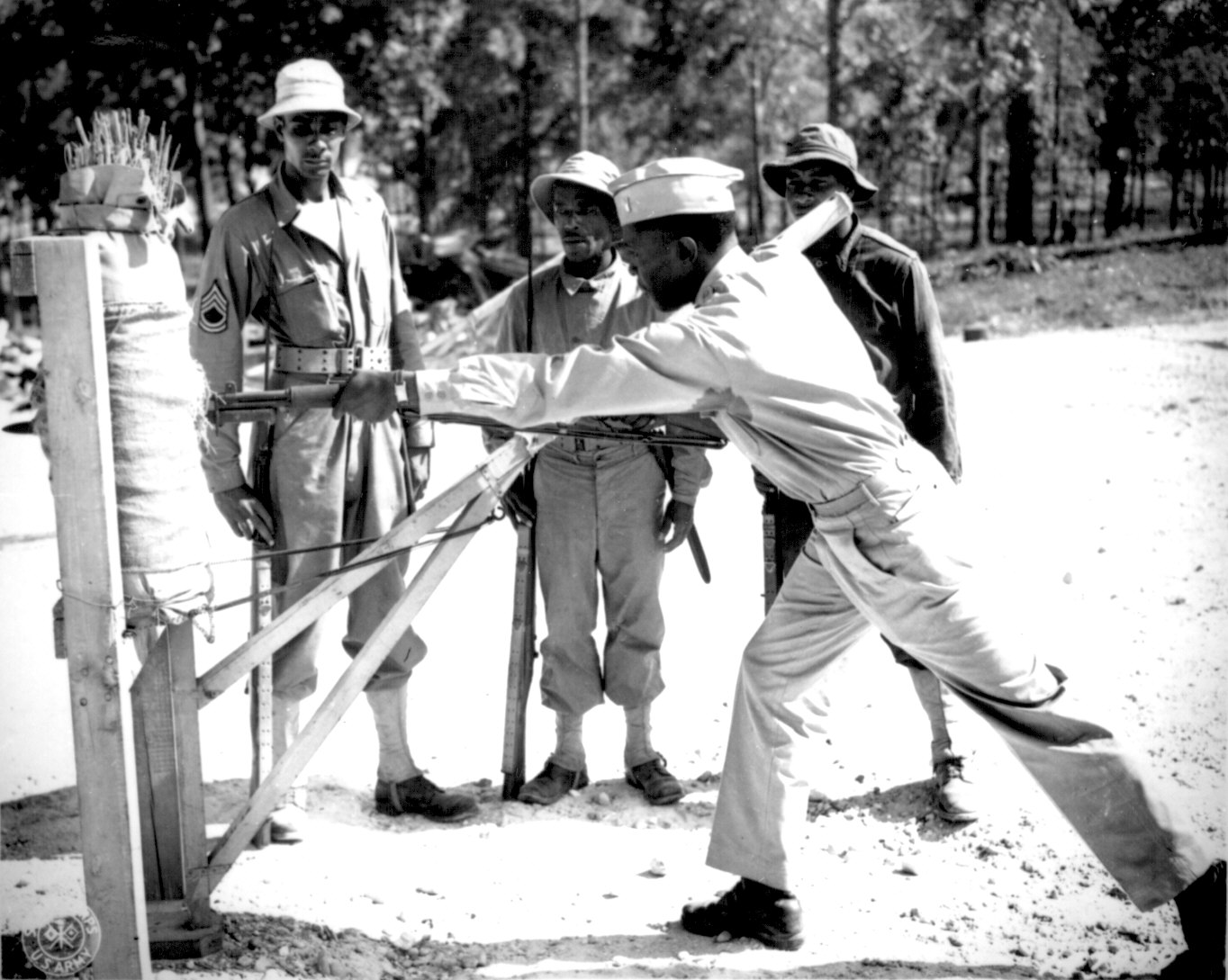
The Battle of the Bulge became one of the most important examples of African American military service in WWII. Black troops fought in one of the war’s most intense and dangerous campaigns, helping defend Allied positions during a brutal German offensive. That battle showed again that African American soldiers were not secondary participants in the war. They were part of the core fight.
African American soldiers in these campaigns helped prove that black soldiers would stand up under pressure, lead when needed, and serve with distinction during World War II’s hardest moments.
The Double V campaign and Black civil rights activism
World War II also intensified the fight for civil rights. African American newspapers, black leaders, and activists argued that the nation should pursue “victory abroad” against fascism and “victory at home” against racism. That idea became known as the Double V campaign.
The Double V campaign was important because it tied military service to political change. African Americans did not see the war as separate from the struggle for equality. They believed that fighting Nazi racism abroad while tolerating segregation at home made little sense. This was a central issue in African American history and in Black history more broadly.
For more on how wartime pressure helped reshape the civil rights struggle, see Eisenhower and the Civil Rights Bill of 1957.
Black leaders used the war years to push for fairer employment, desegregation, and equal treatment. The pressure contributed to changes in defense hiring and helped set the stage for later civil rights victories. Wartime activism showed that the fight for civil rights had deep roots in the American experience of World War II.
Black veterans and the end of the war
When the war ended, many black veterans returned home expecting that their service would bring change. Some were welcomed, but many still encountered discrimination, violence, and exclusion. The end of the war did not end segregation, and it did not immediately erase the racial barriers that African Americans had faced before and during the conflict.
Still, the postwar period mattered. Black veterans returned with new experiences, new expectations, and new determination. They had served in the military, helped win the war, and proved their commitment to the United States. Many came back ready to fight for a fairer country.
This is one reason African Americans in World War II are so important to American history. The war shaped a generation of Black Americans who would later support the fight for civil rights in schools, workplaces, transportation, and voting rights.
Why African Americans in World War 2 still matters
African Americans in World War 2 helped reshape the nation through service, sacrifice, and activism. African American soldiers, black soldiers, black veterans, African American women, and African American troops all contributed to victory and to the struggle for equality.
Their story matters because it shows how African American history is inseparable from American history. It also shows that military service alone did not end racism, but it gave Black Americans powerful evidence of their right to full citizenship. African Americans fought in the war, supported the war effort, and then fought again for the rights they had helped defend.
That is why the African American experience in WWII still matters today. It is a story of hardship, courage, resistance, and change — and it remains one of the most important chapters in Black history.
For more Black history coverage, browse The Black Affect blog.