African Americans massive efforts in WWI
African Americans massive efforts in WWI
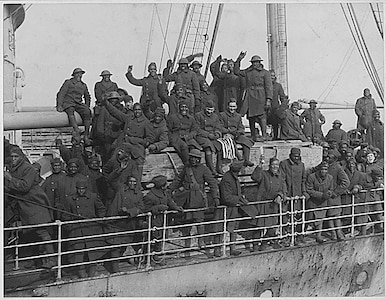
African Americans massive efforts in WWI showed both the promise and the limits of military service in a segregated nation. During the Great War, Black soldiers, African American men, and African Americans in support roles helped carry the war effort while still fighting racism, exclusion, and unequal treatment at home. For background on Black military service in the conflict, see the National Archives, the National WWI Museum and Memorial, and this site’s earlier history articles such as African Americans in the Revolutionary War and Black American identity and lineage.
African American experiences in WWI
The African American experiences of the Great War were shaped by both opportunity and injustice. When war broke out in Europe, many African Americans saw military service as a chance to prove loyalty, demand respect, and push for social and political change. But the reality of the war effort was uneven. Many African Americans served in support roles rather than on the front lines, and many Black soldiers were placed in segregated units or labor battalions. The Library of Congress describes how Black soldiers and civilians experienced both obligation and opportunity during the war years.
The declaration of war in 1917 changed life across the United States. President Woodrow Wilson asked Congress to enter the war against Germany and promised to make the world safe for democracy. For African Americans, that promise rang hollow. Du Bois and other Black leaders argued that democracy abroad meant little without democracy at home.
Black soldiers, segregation, and the draft
Black soldiers who entered WWI found a military shaped by segregation. The army did not treat African-American soldiers as equals, and white officer attitudes often determined where men were sent and what they were allowed to do. Some soldiers in WWI were placed in combat troops, but many more were assigned to noncombat work.
The draft brought in many African American soldiers who were ready to serve, yet the army often sorted them into labor units instead of combat formations. The American Expeditionary Force used huge numbers of Black troops as support manpower. These men built roads, carried supplies, dug trenches, and handled the work that kept the front moving. The USO also details how the Black troops were initially ordered into supply work in France before later fighting with distinction.
The 92nd and 93rd Divisions
The U.S. Army eventually created the 92nd and 93rd divisions for Black troops. These units became central to the story of African American combat in WWI. The 92nd Division served under U.S. command, while the 93rd Division included several infantry regiment units that fought under the French army.
The 93rd included the 369th Infantry Regiment, one of the best-known African American units of the war. The regiment was made up of black troops who had trained under difficult conditions and then were sent to France. At first, they were often assigned to labor duties rather than combat. But as the war continued, they earned the chance to fight.
The Harlem Hellfighters
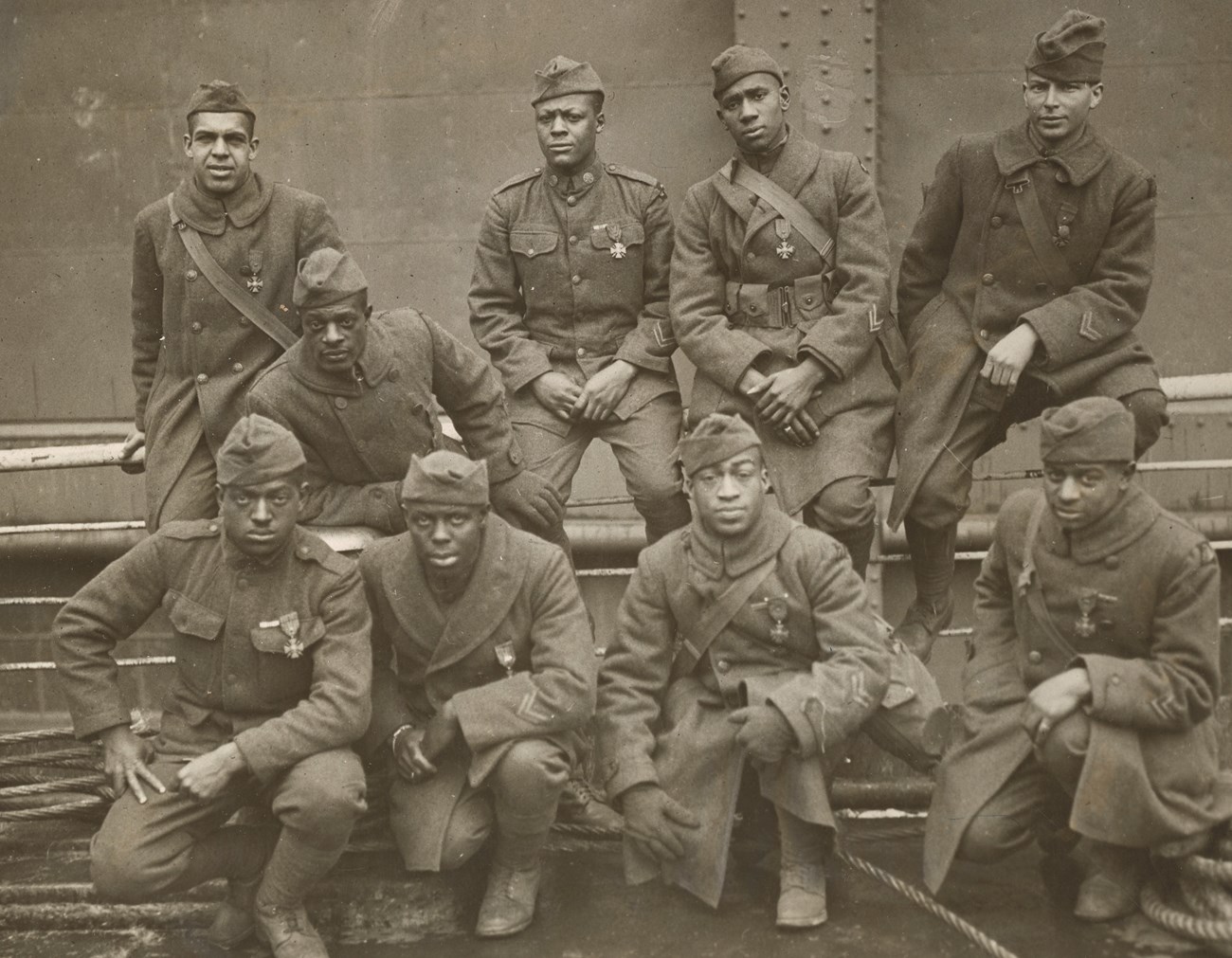
The most famous African American soldiers in WWI were the Harlem Hellfighters. The 369th infantry became known by that nickname after German soldiers recognized their toughness in battle. The unit was closely tied to Harlem, and the name later became a symbol of Black pride and military excellence. The National Park Service’s account of the regiment’s iconic homecoming photo offers a strong historical record of that legacy: Who Are They? Men in the 369th Infantry Iconic Photo.
The 369th infantry regiment fought with the French army in 1918 and earned lasting fame for its bravery. One of its most celebrated members was Henry Johnson, whose courage made him a hero of the Great War. He and other soldiers helped the regiment become one of the most decorated American units in the conflict.
The Harlem Hellfighters received the French Croix de Guerre, France’s highest military honor for bravery, and the regiment’s combat record stood in sharp contrast to the racist treatment many Black servicemen received from their own country. The 369th infantry became a powerful example of what African American soldiers could do when given the chance to fight.
African American soldiers and the French army
A major turning point came when African American soldiers were assigned to the French army. French commanders were often more willing than American officers to use Black troops in combat. That decision mattered. It gave African American soldiers the chance to prove themselves on the front lines and showed the world that Black troops could fight with distinction.
The French army’s treatment of African American soldiers also stood in contrast to segregation in the U.S. military. While discrimination certainly still existed, the French approach offered a brief glimpse of more equal treatment.
Black veterans, 1919, and the Great Migration
When the war ended in 1918 and soldiers returned in 1919, many Black veterans expected respect, opportunity, and change. Instead, they met continued racism, violence, and exclusion. White Americans often welcomed their service in theory but resisted equality in practice.
That gap between service and justice helped fuel the movement called the Great Migration. Many African Americans left the rural South for northern and midwestern cities in search of safety, work, and a better future.
Why African Americans in World War 1 still matters
The history of African Americans in World War 1 is about more than military service. It is about citizenship, protest, sacrifice, and the long struggle for dignity in the United States. African American soldiers, African Americans in labor battalions, and the men of the 369th Infantry Regiment all helped shape the meaning of the Great War.
Sources
- National Archives — African Americans in the Military during World War I
- National WWI Museum and Memorial — African American History and WWI
- PBS — Who Were the Harlem Hellfighters?
- Library of Congress — African-American Soldiers in World War I
- USO — African American Hellfighters from Harlem
- National Park Service — 369th Infantry Iconic Photo
For more related Black history reading on this site, explore the The Black Affect blog.