African Americans in the Revolutionary War: Black Patriots, Black Americans, and the Fight for Freedom
African Americans in the Revolutionary War: Black Patriots, Black Americans, and the Fight for Freedom
African Americans played a major role in the Revolutionary War, even though their story is often left out of the usual telling of the American Revolution. Both free and enslaved Black people served in the Continental Army, the British army, the Continental Navy, local militias, and important regiments that shaped the war. Some became Black Patriots. Others became Black Loyalists after hearing promises of freedom from Lord Dunmore and the British. Many were enslaved African Americans who saw the war as a chance to claim liberty, protect their families, or escape bondage. The history of African Americans in the Revolutionary War is not just a side story. It is central to understanding the war for independence, the meaning of freedom in the new nation, and the limits of the Declaration of Independence and the idea that “all men are created equal.” The war created real opportunities for some Black soldiers, but it also showed how deeply slavery remained tied to the American cause.
Why African Americans Joined the Revolutionary War

For more background, see the National Park Service overview of African Americans in the Revolutionary War, the Gilder Lehrman essay on African Americans in the Revolutionary War, and the Fort Stanwix article on enslaved soldiers during the Revolution.
African Americans joined the Revolutionary War for many reasons. Some wanted freedom. Some wanted to defend their communities. Some saw military service as the best path out of slavery. Others were pushed into the conflict by the realities of colonial life, where black men often had fewer choices than white soldiers. For many African Americans, the war created a new opening. The clash between Britain and the colonies was not only a fight over taxes and political authority. It was also a struggle that touched slavery, labor, land, and power. That meant enslaved people paid close attention to the conflict. They understood that both the Patriot side and the Loyalist side might offer a path to change, even if that path was uncertain. Free Black people also had reasons to support the Patriot cause. Some saw the American Revolution as a chance to prove loyalty, gain rights, and protect their families. Others joined because they already lived in communities that were organizing for resistance. In that sense, the war was never just a battle between white armies. It was also a moment of African American agency, choice, and survival.
Freedom, survival, and opportunity
The strongest motive for many Black people was freedom. In the colonies, slavery shaped almost every part of life. Enslaved men worked under white control, while free black people still faced discrimination and limits on movement, education, and rights. When war came, the possibility of change became real. Some saw military service as a way to earn freedom. Others ran to the British after hearing that the British might offer liberty. Still others joined the Patriot side because they believed service could help them or their families. The war became a place where enslaved African Americans had to make hard choices under impossible conditions.
Enslaved and free Black people in colonial life
Before the war, many African Americans already lived in a world shaped by violence and inequality. Some were enslaved in the southern states. Others were free black men and women in northern towns and port cities. Many were used for labor, shipping, farming, or domestic service. Some served in soldiers and sailors roles before the war even began. This matters because the Revolutionary War did not start from a blank slate. Black men and women already understood colonial power, and they knew the war might reshape that power in ways that could help or hurt them.
Why the war changed Black choices
By 1775, the war had created openings on both sides. The Continental Congress needed soldiers. The British needed labor, intelligence, and manpower. That meant African Americans had room to maneuver in ways they had not before.
For some, the war became a chance to leave bondage. For others, it became a chance to claim honor in the American cause. For many, it was both. Their decisions were shaped by local conditions, by fear, by opportunity, and by the hope that service might bring a better future.
African Americans in the Revolutionary War as Black Patriots
Some of the most famous Patriots in the American Revolution were Black men. These Black Patriots fought in battle, served in support roles, and sometimes gained recognition for their courage. Their stories show that African Americans fought not only for their own survival, but also for the larger revolutionary struggle.
Black Patriot service in early battles
Black men were present early in the conflict. At 1775 battles such as Lexington and Concord, Black participants stood with Patriot forces. The exact number is hard to count because records were incomplete, but historians know that African Americans in the Revolutionary era were involved from the beginning. Some served as soldiers. Others worked as guides, laborers, and messengers. Still others were attached to local militia units. This was military service in many forms, not just front-line combat.
Crispus Attucks and the Boston Massacre
Before the war officially began, Crispus Attucks became a symbol of Black resistance when he was killed in the Boston Massacre in 1770. He was not a black soldier in the later war, but his death became part of the revolutionary story. He stood at the front edge of the conflict and became one of the most recognizable figures in early Black history.
Prince Estabrook at Lexington
Prince Estabrook was one of the Black men at Lexington in 1775. He was wounded in the opening fighting, and his name belongs among the first Black faces of the war. His service shows that African Americans were already part of the struggle when the first shots were fired.
Peter Salem at Bunker Hill
At the Battle of Bunker Hill, Peter Salem became one of the best-known Black soldiers of the war. His name appears in the history of the Battle of Bunker Hill and in the broader story of Black service. He represents the way a black patriot could become part of military legend even when the larger system still denied freedom to many Black people.
Black soldiers served in Patriot forces

Black soldiers served in many Patriot units, and some fought in nearly every major theater. They served in the Continental Army, the militias, and at sea. Some were free. Some were enslaved men who enlisted in hopes of gaining freedom. Some were substitutes for white owners. Their service varied, but their presence mattered.
Military service in the Continental Army
Military service gave many African Americans a direct way into the struggle. But the experience was uneven. Some served with hope of freedom. Others served because they were forced. Others saw service as one of the few paths available to them.
Enlistment and battlefield service
Enlistment was not always simple. The Continental Congress and state governments often hesitated to arm Black men, but manpower shortages forced change. Black recruits entered the Continental Army, state militias, and sometimes the Continental Navy. Some Black soldiers served in integrated units, especially in the North. Black men could be found in combat roles, but also in support work. They carried supplies, built fortifications, scouted enemy movements, and served as orderlies or laborers. That work was essential to the war effort, even if it did not always earn glory.
Labor, scouting, and combat support
Not every African American in the army carried a rifle in battle. Some worked as scouts, guides, or laborers. Others served as carpenters, wagon drivers, cooks, or seamen. These roles were part of the military machine. In that sense, military service was broader than battlefield heroics. Black men also provided intelligence, transportation, and logistical help. Their work kept armies moving, especially during long campaigns like Valley Forge, where survival was hard for all soldiers.
Black soldiers, white soldiers, and military life
The relationship between black soldiers and white soldiers was complicated. In some places, Black troops fought alongside white troops. In others, segregation or discrimination shaped the unit structure. Pay, rationing, and treatment were not always equal. Still, Black service proved something important: African Americans were not outsiders to the revolutionary struggle. They were inside it, helping shape the outcome of the American Revolutionary war.
How military service affected freedom
For some, military service did bring freedom. For others, it did not. Many enslaved men who enlisted expected liberation and never got it. Others were “returned to their former” owners after service. This gap between promise and reality is one of the most important themes in the history of African American participation in the war.
Black Loyalists, Lord Dunmore, and the Promise of Freedom
One of the most important chapters in this history involves Loyalist service. Many enslaved people fled Patriot owners and joined the British after hearing promises from Lord Dunmore, the royal governor of Virginia.
Lord Dunmore’s proclamation in 1775
In 1775, Lord Dunmore issued a proclamation promising freedom to enslaved people who left Rebel masters and joined the British. This announcement changed the war. It frightened enslavers, encouraged escape, and gave many Black people a powerful reason to run. Dunmore’s move was not purely moral. It was military strategy. He wanted to weaken the Patriot cause and disrupt the southern economy. But for enslaved people, the proclamation sounded like a rare opening.
The royal governor of Virginia and enslaved people who fled
As the royal governor of Virginia, Dunmore used freedom as a weapon. Many people who heard the proclamation left plantations and joined British lines. Some became Black Loyalists. Others worked for the British as laborers, scouts, guides, or soldiers. The British army did not treat these people equally, and the promise of freedom was often unstable. But for many enslaved people, the British offer still looked better than bondage.
Why Black Loyalists joined the British during the Revolutionary War
The British Army became a magnet for escape. Some joined because they believed it was the quickest way to freedom. Others joined because the British were the only side openly offering emancipation. This made the Black Loyalists a major force in the war. Their story shows that not all African Americans who fought were Patriots. Some fought on both sides, and many were making choices under pressure. That complexity is part of what makes the history of African Americans in the Revolutionary War so important.
Freedom to enslaved people and the British army
The British offered freedom to enslaved people in a way the Patriots largely did not. That promise drew thousands of runaways. The result was a wartime movement of Black people toward British camps and British-controlled cities. Some later evacuated with the British and resettled elsewhere after the war.
The First Rhode Island Regiment and Other Black Regiments
One of the most famous units in the war was the 1st Rhode Island Regiment, sometimes called the Rhode Island Regiment or the Black regiment. This unit became central to the story of Black military service.
Why the Rhode Island Regiment mattered
The Rhode Island Regiment mattered because it showed that Black men could be recruited in large numbers and could serve effectively in the army. In 1778, Rhode Island allowed enslaved men to enlist in exchange for freedom, and many joined. This unit became a symbol of Black military participation. It also showed how wartime need and liberty claims collided. The state needed soldiers. Enslaved men needed a way out.
The 1st Rhode Island Regiment and integrated service
The 1st Rhode Island Regiment included both Black and white soldiers, though its Black composition made it especially notable. The regiment became one of the most famous examples of a black regiment in the war. At Yorktown, the regiment’s service became part of the final Patriot victory story. The unit’s history shows how Black soldiers could shape the outcome of the war, even when they were not treated equally.
Black regiment service and enlistment in 1778
In 1778, enlistment in Rhode Island became a major turning point. Many enslaved men who fought were promised freedom. Some received it. Others did not. But the state’s decision created one of the war’s clearest examples of Black men entering military service as a route out of bondage.
African and Native American descent in the regiment
The regiment also included soldiers of African and Native American descent. This reminds us that the war was not only about white Patriots and Black soldiers. It involved a wider world of people whose identities and service were often mixed and poorly recorded.
George Washington, the Continental Congress, and Black enlistment
The Patriot side was also shaped by leaders like George Washington and by the choices of the Continental Congress. Their decisions affected whether Black men could serve and under what conditions.
George Washington and the Continental Army
George Washington was cautious about Black enlistment early in the war. Like many colonial leaders, he worried about military discipline and slavery. But manpower shortages forced him and other leaders to reconsider. As the war went on, the Continental Army became more open to Black service. Black men fought under white officers, sometimes in integrated units, and sometimes in units like the Rhode Island regiment.
The Continental Congress and the war effort
The Continental Congress had to balance military need with political caution. It needed soldiers badly. That need helped open the door to more Black enlistment. In the end, the war effort depended on more than elite white leadership. It depended on the labor, courage, and sacrifice of thousands of people, including Black soldiers.
Patriots in the American Revolution and Black soldiers
The phrase Patriots in the American Revolution should always include African Americans. They were not a side note. They were part of the army, the navy, the militias, and the intelligence networks that helped make the Patriot victory possible.
How American Patriot leaders used Black manpower
In practice, American Patriot leaders used Black manpower because they had to. They needed soldiers, sailors, and laborers. Many of those men were enslaved. Some became free. Many did not. That contradiction is at the center of the revolutionary story.
Key African American Figures in the American Revolutionary War
Several Black figures stand out in the war.
James Armistead and intelligence work
James Armistead is one of the most famous African Americans of the war. He worked as an intelligence source and helped the Patriot cause. His service shows that military contribution was not limited to the battlefield. Spying, reporting, and information gathering were also critical forms of service.
Salem Poor and military recognition
Salem Poor earned recognition for his service and became one of the better-known Black soldiers of the war. His name appears in Patriot praise and in later memory of the conflict. He represents the Black American patriot who fought and was noticed, even if only partly.
Henry Bakeman and late-war service
Henry Bakeman is another important example. His service near the end of the war shows how Black men continued to fight through the final campaigns. He represents the many lesser-known Black soldiers whose names survived in pension records and local memory.
Black veterans after the end of the war
When the war ended, many black veterans returned to a country that still protected slavery. Some gained freedom. Some did not. Some resettled elsewhere. Some lived with the disappointment that their service had not secured full equality.
What the Revolutionary War Meant for African Americans
The war changed African American history, but it did not solve slavery. Freedom promised vs. freedom deliveredThe war offered freedom to some and disappointment to others. The promises made by Patriots and Loyalists were not always kept. Some who served in the American cause were denied the liberty they expected. Others who fled to the British faced broken promises, displacement, or re-enslavement. Slavery after YorktownEven after Yorktown, slavery remained deeply rooted in the new United States. The Revolution did not end bondage. It exposed the contradiction between revolutionary language and lived reality. Black Loyalists after the warSome Black Loyalists left with the British. Others stayed behind. Some were transported to Nova Scotia, the Caribbean, or other places. Their story is part of the larger history of people who were forced to make impossible decisions during wartime.
Why African American participation still matters
The story of African Americans in the Revolutionary War matters because it complicates the usual national myth. It shows that Black people fought, negotiated, fled, resisted, and served in ways that shaped the outcome of the war. It also shows that freedom in America was never evenly distributed.
Conclusion
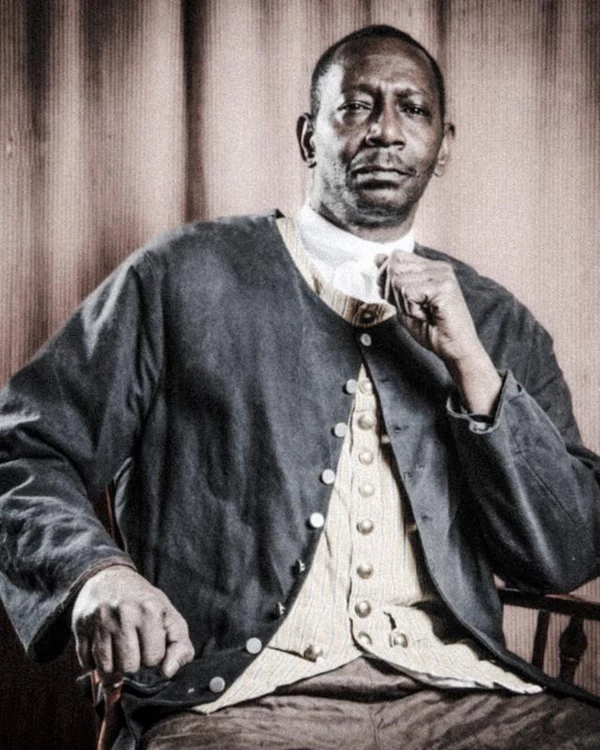
African Americans fought on both sides of the Revolutionary War. Some served as Black Patriots in the Continental Army. Others became Black Loyalists after hearing the promises of Lord Dunmore and the British. Some fought in famous units like the 1st Rhode Island Regiment. Others served in smaller militias, at sea, or in support roles. All of them were part of the American Revolution. Their story is a reminder that the war for independence was also a war over slavery, labor, and freedom. African Americans fought for their own futures as much as for the future of the new nation. And while the war did not end slavery, it created new paths of resistance that shaped the long struggle for Black freedom in America.
Related reading on The Black Affect: home, blog, and What Is a Foundational Black American?