African Americans in technology: Black Tech,Innovator,Pioneer and black technology that shaped the future.
African Americans in Technology: Black Tech, Innovators, Pioneers, and Black Technology That Shaped the Future
Meta description: African Americans in technology shaped the tech industry through black tech, invention, and leadership across computing, NASA, and Silicon Valley.
African Americans in technology have always been part of the story of modern computing, even when the record was incomplete and the credit was uneven. The history of black tech is not a side note. It is the story of black innovators, black pioneers, and black Americans who built the systems, companies, and ideas that define the technology we use today.
From early black inventors and patent holders to modern leaders in tech, the contribution of blacks in technology has been broad, deep, and often overlooked. This article traces how black technology helped lay the foundation for the personal computer, telecommunications, digital services, and the future of black participation in a more diverse tech workforce. In some cases, people had to earn a ph.d before the industry would listen. If you want more site context while you read, see the home page and the blog.
Black inventors who paved the way
Long before the rise of the tech industry, black inventors were solving practical problems through invention. Their work did more than create useful products; it proved that black talent was already shaping American progress.
One early inventor whose story matters is Thomas L. Jennings, often cited as the first African American to receive a U.S. patent. That achievement helped prove that black Americans were never absent from innovation; they were blocked from recognition. Over time, other inventors expanded that legacy, and their invention work laid the groundwork for later breakthroughs in computer technology.
The role of black inventors in the United States was not limited to machines in factories. It extended into consumer products, transportation, medical devices, and communication tools. In the National Inventors Hall of Fame and related archives, the pattern is clear: many black pioneers created solutions that became invisible once they became common.
That invisibility matters because the history of black innovation is also a history of exclusion. When black professionals were denied access to the best schools, laboratories, and technology companies, they often had to build alternate paths. Even so, they kept going, and their work helped create a stronger foundation for careers in technology for the generations that followed.
The story also includes the wire precision resistor and the smaller components that made the electrical age possible. Those quiet parts, like the systems that later supported computer data systems, show how calculations were essential to the rise of modern invention.
Shirley Jackson and the science behind communication
Shirley Jackson is one of the most important figures in the story of black women in technology and science. She was the first black woman to earn a doctorate from the Massachusetts Institute of Technology, and she became a pioneer in the field through her work in theoretical physics and later telecommunications research.
Jackson’s work at Bell Labs is often associated with the role in the development of technologies that made modern communication faster and easier. Her research helped explain materials and systems that influenced touch-tone phones, call waiting, and other communication tools that changed everyday life. These advances did not happen in a vacuum. They came from scientific inquiry, calculations were essential to the process, and her work helped shape the technology companies that built the modern communications era.
She was also the first black woman to earn a doctorate at MIT, a milestone that still carries symbolic power. It showed that black women in technology and science could break into spaces that had been closed for generations. For many black professionals and black technologists, Jackson became proof that excellence could overcome barriers, even if the barriers remained.
Her recognition later included the National Medal of Science, and she was awarded the Presidential Medal in a later era of public honor and recognition. The National Medal of Science underscored her status as a pioneer in the field. The award helped confirm what her career already showed: black talent belongs in the highest circles of science.

Valerie Thomas and the power of image processing
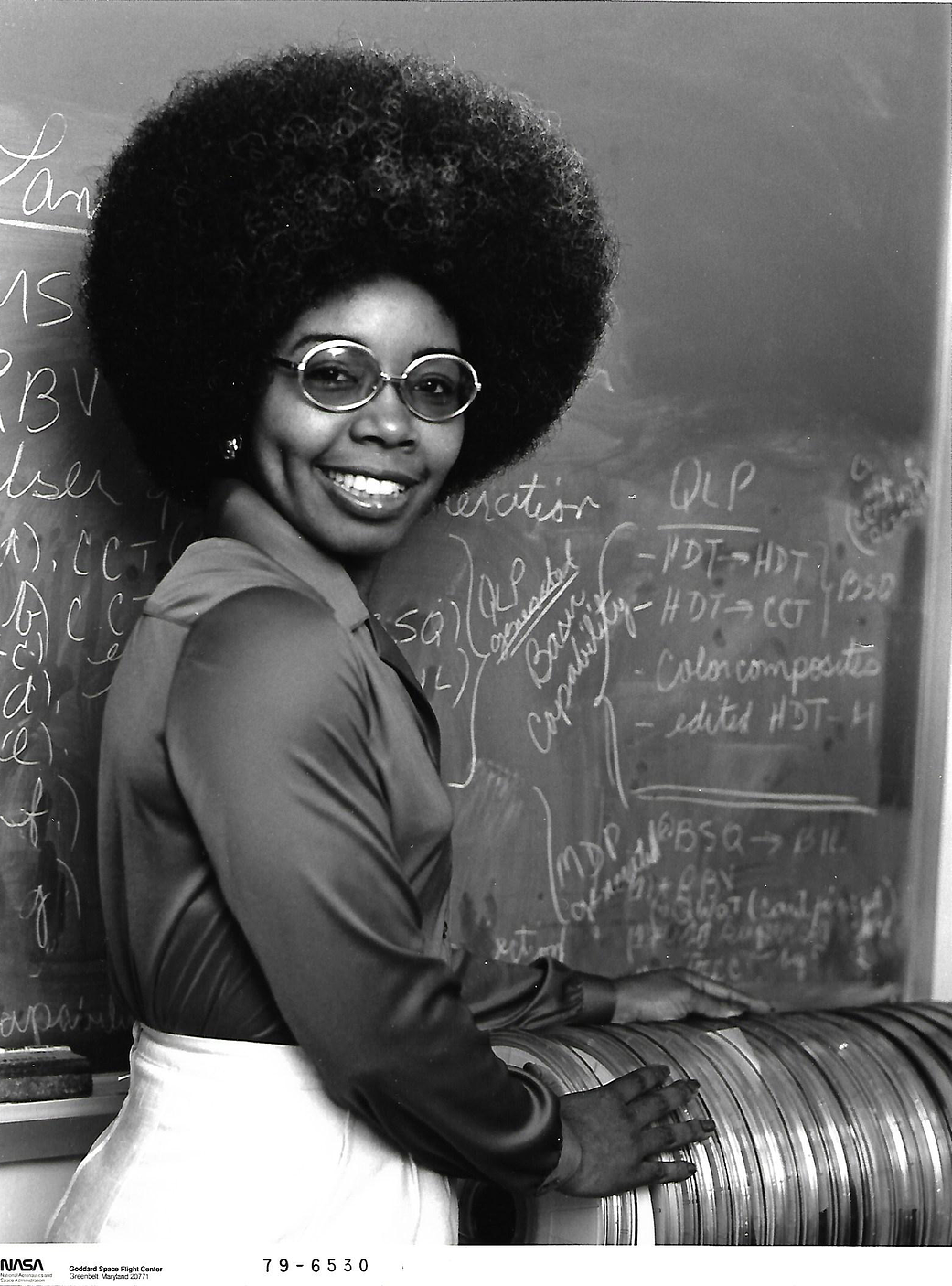
Valerie Thomas is another essential name in black technology history. Working at NASA’s Goddard Space Flight Center, she became a pioneer in the field of digital image processing and early space-based data systems. She was a computer scientist and engineer and computer innovator whose work helped launch important imaging capabilities used by NASA.
Thomas played a role in the development of Landsat image processing software and helped manage the system that allowed early satellite images to be stored and analyzed. Her work was part of a system that allowed researchers to make better use of Earth-observation data, and it had real impact in computer data systems and visuals in computer science.
She later earned a patent for the illusion transmitter, a device used in medical imaging and related display technologies. That invention is a reminder that black innovation often crosses fields: a single mind can influence space science, medicine, entertainment, and education. It also shows how black women inventors helped shape the tools behind the emergence of online video, visual displays, and the media systems that followed.
Thomas is not just a name in a list. She is a black inventor whose original nine patents and decades of work at NASA showed how black technologists could lead major federal projects and help create the future of science and engineering.
Mark Dean, Roy Clay, and the rise of personal computing
If Shirley Jackson and Valerie Thomas represent the science and imaging side of innovation, Mark Dean represents the personal computer revolution. Dean is one of the most famous black technologists in computing history. He was the first African American IBM Fellow, and his work helped shape the ISA bus, the personal computer, and the architecture of modern computing.
Dean holds three of the original nine patents tied to the IBM PC. His role in the development of that system helped make the personal computer more modular and practical for businesses and homes. That contribution mattered because it transformed technology from something used only by large institutions into something that could enter ordinary life.
Dean later helped lead the team that created the first one-gigahertz processor, a major leap in performance. He became a true tech leader and a model for black engineers who wanted to see themselves in high-level technical leadership. His career also shows how black talent can move from engineering into institution-building and mentorship.

Roy Clay’s story is equally important. He helped launch Hewlett-Packard’s computer division and became a foundational figure in black Silicon Valley history. From 1964 to 1995, the larger arc of his influence reached across generations of builders. Clay is often described as one of the first black software pioneers in the region, and his work at Hewlett-Packard’s computer division helped the company grow from instrumentation into computing.
Clay’s story also connects directly to black silicon valley and the struggle to open more doors for black professionals. He supported hiring from HBCUs and helped create a path for other black engineers. In that sense, he was not only building products. He was helping transform the tech workforce.
Before Steve Jobs became the most famous face of the personal computer era, people like Clay were already helping define what the personal computer would become. That broader story also includes the scripting language tools that later made software more flexible, the rise of GIFs in early web culture, and the Shockwave era of rich online media.
Together, Mark Dean and Roy Clay show how black innovators did not merely participate in the tech industry. They helped shape the future of black leadership inside it.
NASA, service, and public-sector technology
Not all of the most important black technology work happened in private companies. A major share came through public agencies like NASA and the U.S. Department of Education, where black technologists helped build systems that served the public.
Valerie Thomas’s work at Goddard Space Flight Center is one example. But the broader pattern matters too: black engineers and scientists often found opportunities in federal labs, where they could contribute to high-level research even when the private sector lagged behind.
This public-service side of the story includes digital service work as well. In recent years, the idea of a chief digital service officer has shown how government now depends on technical leadership to improve access, data, and user experience. That modern shift reflects a much older truth: black technologists have long helped the public sector work better, even if their names were not always widely known.
The Department of Education and the U.S. Department of Education have also played a role in broadening access to STEM, especially for students who need more support entering the field. As black talent continues to grow in education, that support remains essential. It is a reminder that the U.S. Department of Education can help open doors for tech talent, and even the us department of education has a role in making those pathways wider.
Black girls code and the next generation
The future of black participation in technology depends on the pipeline. That is why organizations like Black Girls Code matter so much. They do not just teach coding. They help more black girls imagine careers in technology, and they normalize black excellence in spaces that have often been too narrow.
These efforts are part of stomping the divide between ability and opportunity. That divide has shaped black professionals for decades, and closing it matters for the next generation of tech talent.
This matters for black women in technology, black professionals entering software and hardware, and young people who want to become a computer scientist, a product designer, or a founder. The more visible the role models, the more likely the next generation will see a place for themselves.
We can already see that effect in the number of black students and workers entering STEM pathways. But there is still work to do, especially when technology companies and technology companies’ hiring pipelines do not reflect the communities they serve.
A stronger tech workforce means more than headcount. It means more opportunity, more mentorship, and more diverse tech leaders.
The modern impact of black innovation
Today, black innovators continue to shape software, hardware, cloud systems, AI, and digital media. Black technologists work in roles ranging from research and engineering to product strategy and public policy. They are helping define the future of black participation across every part of the field.
The larger lesson is simple: black talent has always been present. What has changed is visibility.
That visibility matters because it tells young people that they are not outsiders to computer technology. It tells them that black pioneers have always been part of the story, from the earliest invention to the present-day startup era. It also reminds the tech industry that innovation grows when more voices are allowed to contribute.
In other words, the future is stronger when more black professionals can lead, build, and own their work.
10 Black pioneers who helped shape technology
Here is a short list of 10 black pioneers whose work changed the field:
- Thomas L. Jennings
- Jan Matzeliger
- Elijah McCoy
- Garrett Morgan
- Shirley Jackson
- Valerie Thomas
- Roy Clay
- Mark Dean
- Marian Croak
- Gladys West
These black pioneers and black inventors laid the groundwork for the technology companies, computer technology, and digital service systems we rely on today.
A legacy that still matters
Black silicon and black silicon valley are more than phrases. They point to a larger truth about the people and places that shaped the modern tech economy. From Silicon Valley to federal labs, from HBCUs to major research universities, black engineers and black technologists have repeatedly proven that black tech is not niche. It is central.
Shirley Jackson, Valerie Thomas, Mark Dean, and Roy Clay each showed different sides of that legacy. One contributed through theoretical physics and telecommunications. One through NASA image processing and invention. One through the personal computer and the IBM Fellow distinction. One through Hewlett-Packard’s computer division and the opening of doors for future black talent.
Their careers show how black americans laid the foundation for the systems we depend on now. They also show that the history of technology is incomplete unless it includes the people who were too often left out of the headlines.
Conclusion
African Americans in technology have always been builders, inventors, and leaders in tech. They have created the tools, systems, and institutions that shaped modern life, even when the record did not always give them full credit.
From black inventors to black professionals in the modern tech workforce, the story is one of persistence, skill, and impact. Black technology helped pave the way for the technology we use every day, and it continues to influence the future of black leadership across the field.
When we tell that story honestly, we get a better picture of American innovation itself: not one narrow pipeline, but a broad and powerful history of black Americans and their role in the development of technology.