Raphael Warnock’s 21st Century ROAD to Housing Act and the Fight for Housing
Raphael Warnock’s 21st Century ROAD to Housing Act and the Fight for Housing Supply
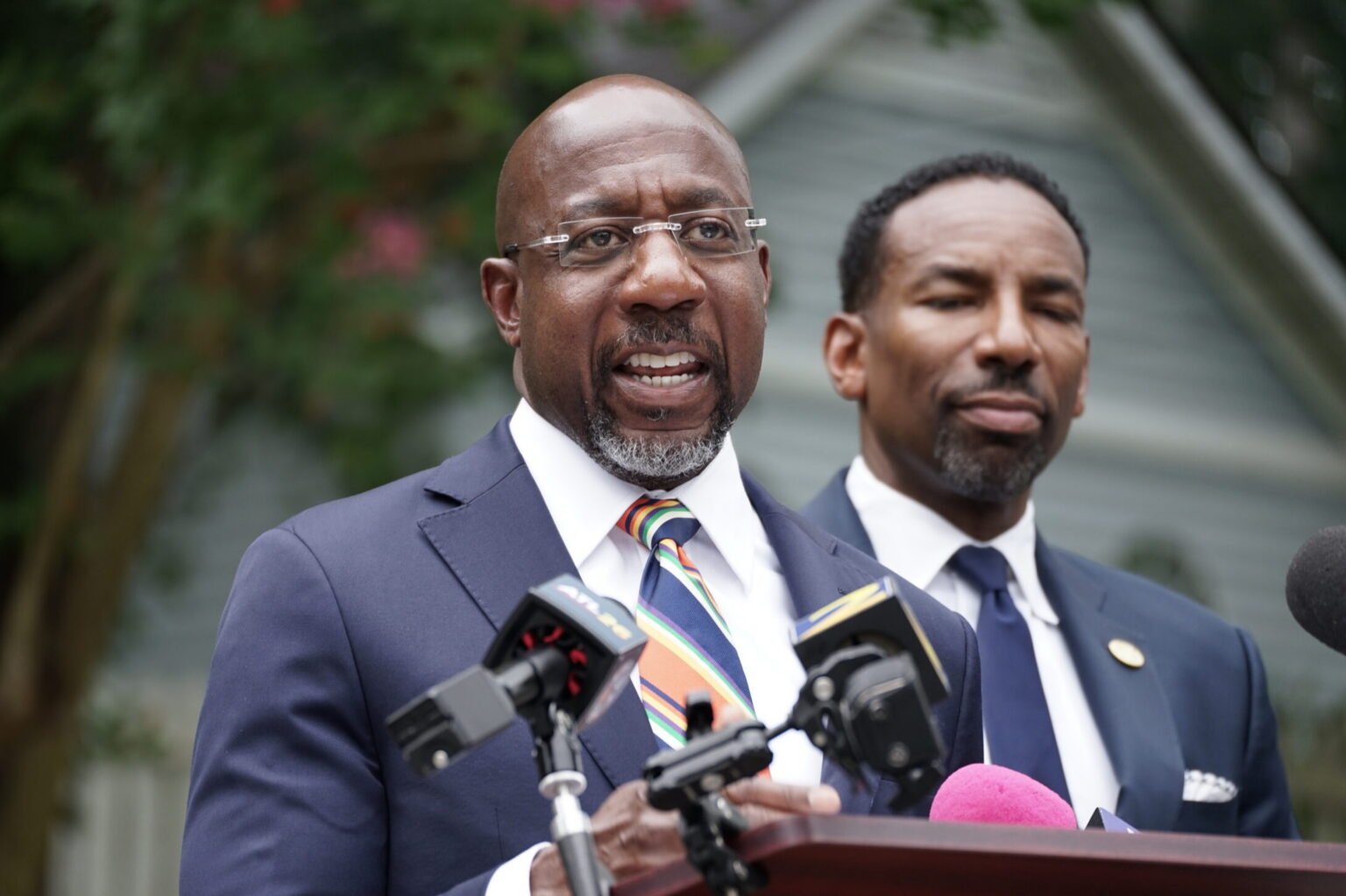
Raphael Warnock’s 21st Century ROAD to Housing Act is housing legislation that reflects a bigger fight over who gets to own homes in the U.S.
Why the 21st Century ROAD to Housing Act matters
The 21st century ROAD to Housing Act is important because it tries to expand housing access while also increasing housing supply. In plain terms, the bill is about making sure more people can buy homes, rent homes, and stay in their communities.
The law was part of a bipartisan housing package that passed through the Senate after work in the Senate Banking Committee and the Committee on Financial Services. It also reflected broader work in the House Committee on Financial Services and the subcommittee on housing and insurance.
What the bill does
The road to housing act would take a number of steps to address the housing market. One of the biggest was limiting investors from purchasing single-family homes in bulk. Another goal was to support housing construction and new home construction so the market has more inventory.
The legislation also fits into a broader effort to expand housing options across urban, suburban, and rural communities. That includes manufactured housing, multifamily development, and adaptive reuse projects that can convert vacant buildings into affordable housing.

Homeownership, housing supply, and the housing market
Homeownership sits at the heart of the debate. When homes are harder to buy, families lose the chance to build equity and stability. When prices rise too fast, the housing market tilts toward wealthier buyers and large institutional investors.
That is why the language around housing supply matters so much. The bill tries to support more new single-family homes while also encouraging housing construction in places where demand is high.
It also recognizes that the housing shortage affects more than just buyers. It touches renters, seniors, young adults, and workers who want to stay in the neighborhoods where they already live.
Why Black Americans have the most to gain
This is where the law becomes especially meaningful for Black Americans. Black families have long faced barriers in housing policy, lending, and neighborhood access. So when large investors move into the market and purchase single-family homes, the result can be even fewer chances to buy.
- Protecting more single-family homes for owner-occupants
- Making homeownership more reachable
- Keeping neighborhoods more stable
- Supporting generational wealth
- Reducing pressure from large institutional investors
Source material readers can check
Readers can verify the bill and the surrounding policy context with the official sources below:
Final thoughts
Raphael Warnock’s 21st Century ROAD to Housing Act is more than a policy headline. It is part of a larger fight over who gets to own homes, who gets to build wealth, and who gets pushed out of the market.
It matters in the 119th Congress. It matters during a housing shortage. It matters for homeownership. And it matters for Black Americans, who have too often been locked out of the wealth that homeownership can create.